The AI product you've been picturing. Finally built right.
We build custom AI products for founders who know exactly what they want and are done settling for bolt-on solutions.
Trusted by teams at


Why most builds stay unbuilt
The vision in the drawer.
You know exactly what to build.
The build approach is what's broken.
The pattern is always the same: years of proprietary methodology, a clear product vision, and either a vendor build that missed the mark, or a strategy deck that never became code. Too big, too early, with someone who held the keys.
The interface is the intelligence.
The AI isn't a feature you add.
It's the foundation you build from.
Most AI builds treat intelligence as a layer, bolted onto something that already exists. We treat it as the foundation. Interface, data model, and AI layer designed together from day one. The result feels effortless because the thinking is built in.
Conversational Search
When customers search the way they think
Keyword search fails the moment a customer doesn't know your product taxonomy. Conversational search understands what they're trying to accomplish and surfaces the right result, even when they don't know the right words.
Personalized Experiences
When context changes everything
Every customer who lands on your product has a different goal, history, and level of familiarity. The interface adapts to each one, not the same page with a different name in the URL.
Intent-Driven Interfaces
When the interface does the thinking
The best interface gives customers what they need before they know to ask for it. Surfaces that understand context and deliver the right thing at the right moment.
Accessible & Adaptive UX
When the product works for everyone
AI-first interfaces designed correctly serve users with different abilities, devices, and interaction patterns, without a separate accessibility build. Adaptability is designed in, not patched in.
Two services. One methodology.
AI-UX Design
Your customers shouldn't have to think. The interface should do it for them. We redesign customer experiences around how people actually think, search, and decide, not around your product taxonomy or legacy navigation. Conversational search, intent-driven interfaces, personalized experiences, and adaptive UX that works for everyone. Built for AI from the start, not patched in after.
AI-Native Product Development
Not an AI feature added to your product. An AI product, built from the ground up. We take your proprietary methodology and turn it into the foundation of a custom-built product. The data model, the agent layer, and the interface are designed together from day one, so the product thinks the way your best practitioner thinks, at scale.
Four phases, built so the expensive mistakes surface while they're still cheap.
How we scope, build, and ship. Risk stays front-loaded so you always know what comes next.
Discovery & Prototype
Make the idea tangible. Approve the plan.
A product brief, sitemap, design system, and working prototype your stakeholders can actually use, all before a single line of production code is written. The phase ends at a gate: you decide whether to build. We never let you commit to the wrong foundation.
Development
Architecture and scope are locked.
Test-driven sprints with full task tracking and required evidence of completion at every step. No waiting for the next sprint. Developers pull ahead when work finishes early. You see progress in real time, not at the end.
Deploy
Ship to production. No deferred problems.
QA pass, deployment to your infrastructure, analytics installed, and a formal launch confirmation. No shortcuts that push problems into the next phase. What ships is what was scoped.
Refine
30-day warranty. Bug-smashing, on us.
Every bug or deployment issue in delivered functionality fixed at no charge for 30 days after launch. After warranty, most clients stay on. Relationship, not retainer.
You've been here before.
Custom isn't risky. It's the right thing, built the right way.
You've already paid one developer to not deliver, or one platform to box you in. The work isn't to promise it'll be different. It's to put the walk-away points up front.
THE WORK
Real visions. Actually shipped.
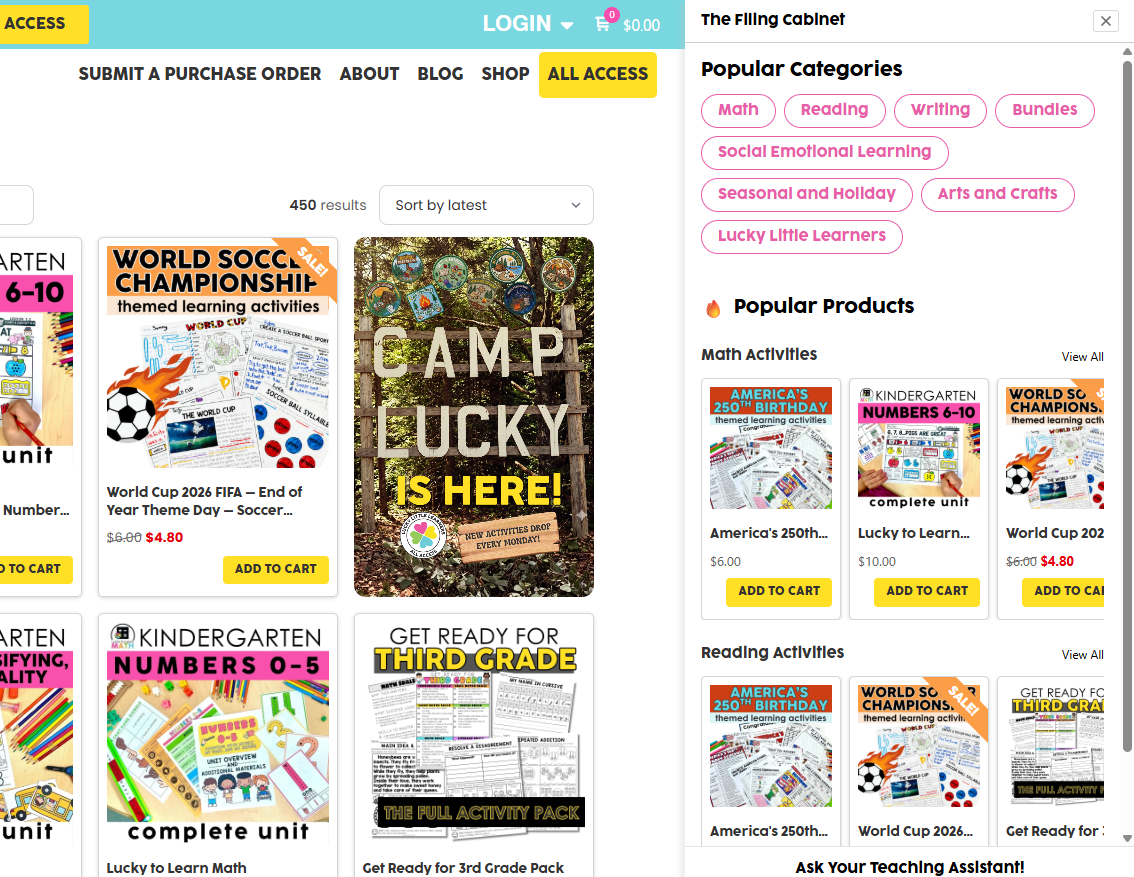
EdTech · classroom subscription
Lucky Little Learners
The problem: 30,000+ curriculum resources with no way to plan with them. Teachers kept falling back on the same materials.
What we shipped: An AI-first planning platform: personalized recommendations, a differentiation assistant, and a workspace that keeps teachers in flow. 40k+ classrooms.
Read the case study
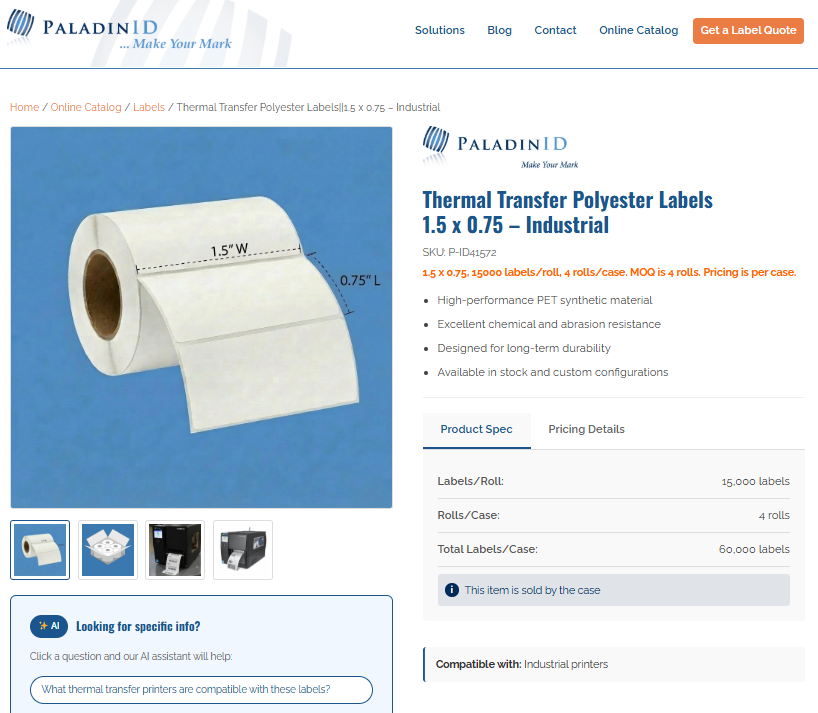
Industrial printing distributor · AI-first e-commerce
PaladinID
The problem: Competing against manufacturers who sell direct, with a static website and a catalog buyers could not navigate.
What we shipped: An AI that knows the catalog, guides the configuration, and closes the gap with the manufacturers.
Read the case study
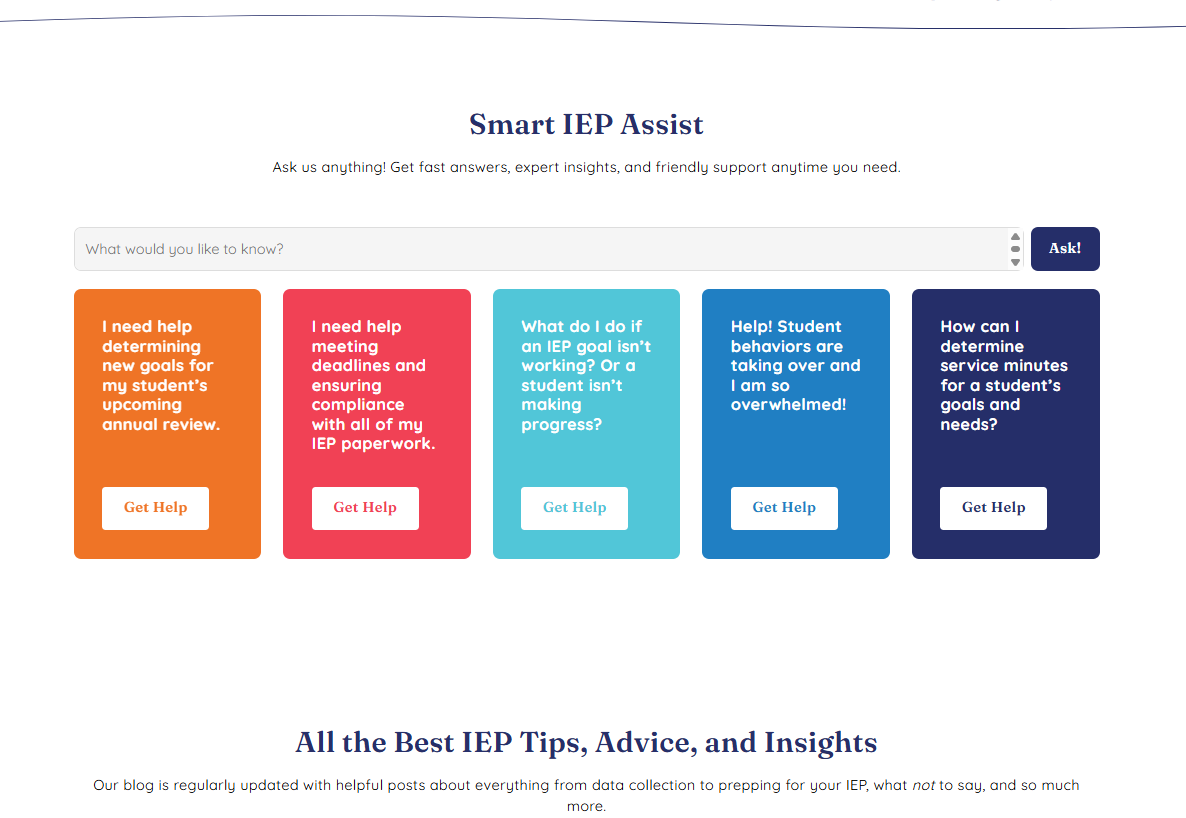
Special education · membership product
The Intentional IEP
The problem: A library of IEP goals and six years of methodology that educators paid to access. The search returned noise. The platform was split across multiple logins.
What we shipped: Semantic goal search, a conversational SmartSite, and Brain-e, an AI writing assistant built on the methodology. The library finally works.
Read the case study
FROM THE FOUNDERS
Built exactly what they pictured.
Most of our clients came to us after a previous build went sideways.
The specificity in the proposal was really helpful — everything laid out down to the details of the project and the timeline. And the end-of-week summaries? I read every single one. It's exactly the kind of communication that lets you stay on top of a big project without having to be in a meeting every five minutes.
Angie Olson
Founder · Lucky Little Learners
I talked to a new prospect and asked how she found me. She said she asked Claude who could help with a custom label application — Zebra and PaladinID were recommended. She called Zebra and got nowhere. She called me, and I answered the phone. The power of AI is unreal.
Dana Ritchie
Owner · PaladinID
I know that if teachers could pay me to write their IEPs, they would. And so I feel like this is the best way for me to write their IEPs for them. ChatGPT doesn't guide you through writing IEP goals. This will set it apart within the special education community for helping teachers.
Stephanie DeLussey
Founder · The Intentional IEP
Honest about who this is for.
Custom-scoped and intensive. Built for founders with real proprietary methodology, unique data, or a customer experience worth rebuilding from scratch.
Questions founders actually ask.
Ready to build the product you've been picturing?
One conversation to find out if we're the right fit.
No commitment · No spec doc required.