What if six years of IEP expertise could write alongside every educator?Not just be found by the ones who already knew where to look.
A goal bank educators loved but couldn't navigate. Six years of methodology locked behind keyword search and fragmented access. We rebuilt the platform around one idea: the right answer should take seconds, not a search and a prayer.
The problem
Stephanie DeLussey had spent six years building The Intentional IEP, a goal bank and resource library trusted by special education teachers across the country. The content was exceptional. The problem was that members couldn't reach it. Keyword search returned irrelevant results. The platform was fragmented across multiple login points. Educators were paying for expertise that, in the moment they needed it, they couldn't find.
A teacher preparing for a meeting on Tuesday morning doesn't have time to scroll, filter, and guess. They need the right IEP goal in seconds, and a way to put it into actual IEP language without starting from a blank page. Neither was possible.
The methodology was there. The library was there. The platform just had no way to make them work together.
What we shipped
We started with the foundation: unified access, a single login, and a TypeSense semantic search layer across the entire goal bank. No more keyword guessing. Educators describe what they need (skill area, grade level, student context) and the search surfaces goals that actually match, ranked by relevance.
SmartSite turned the site itself into a conversational interface. Members can ask questions in plain language and get answers drawn from Stephanie's full resource library: contextual matches that explain why each result is relevant to what they're looking for.
Brain-e went further: a Claude-powered writing assistant trained on Stephanie's IEP methodology that helps educators draft goals, frame annual benchmarks, and prepare meeting documentation. Six years of expertise, available on demand.
I know that if teachers could pay me to write their IEPs, they would. And so I feel like this is the best way for me to write their IEPs for them. ChatGPT doesn't guide you through writing IEP goals. This will set it apart within the special education community for helping teachers.
Stephanie DeLussey· Founder, The Intentional IEP
Built in phases. Still growing.
Every capability below came from a direct conversation with Stephanie and her members about what was slowing them down. This is what ongoing partnership looks like.
Working on something similar?
Tell the AI what you're building and get a straight read on whether we're the right fit.
How we built it.
Three focused phases. Six weeks to first ship. Still building.
Discovery & Consolidation
One platform. One login. One plan.January–February 2025 · 3 weeks
Before building anything AI, we fixed the foundation. Platform audit across all existing access points. Single login deployed. TypeSense integrated across the full goal bank: semantic embeddings, relevance tuning, member testing. No new features until search actually worked.
SmartSite & Brain-e
Search is fixed. Now make it conversational.February–April 2025 · 6 weeks
SmartSite turned the site into a conversational interface: plain language in, contextually matched resources out. Brain-e launched as a separate Claude-powered tool trained on Stephanie's IEP methodology, handling goal drafting, benchmark framing, and meeting documentation on demand.
Expand
Launch is not the end.May 2025 → ongoing
Six months after launch, we shipped the IEP Timeline Calculator, a FERPA-compliant tool that back-calculates compliance deadlines from a single meeting date, with calendar sync. The Screener Generator followed: an AI tool that matches educator input to the goal bank and generates custom screeners. Every addition came from a real conversation with Stephanie and her members.
This project followed our four-phase methodology. See how every project runs →
Built With
An existing WordPress membership platform, rebuilt around a semantic search layer and two AI-native tools, without migrating the content or disrupting the community. The stack grows as the product does.
More work
View all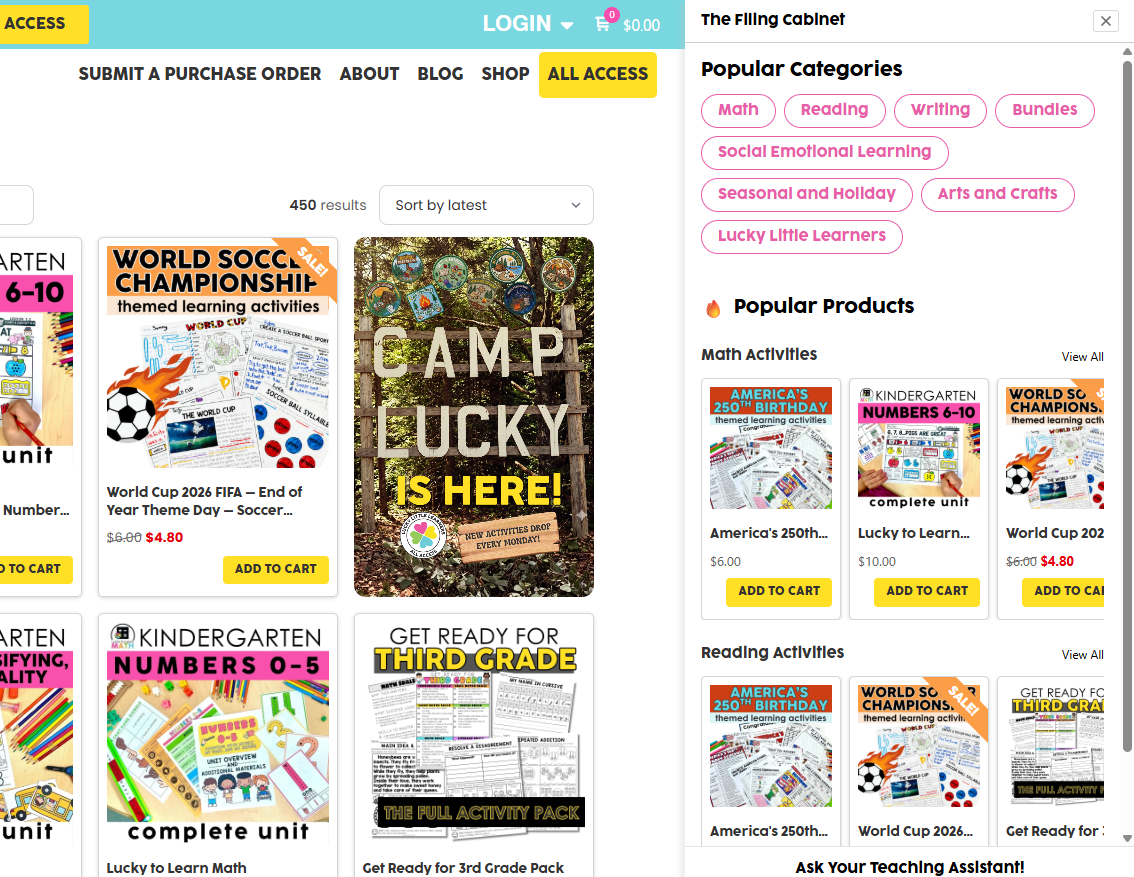
EdTech · classroom subscription
Lucky Little Learners
The problem: 30,000+ curriculum resources with no way to plan with them. Teachers kept falling back on the same materials.
Read the case study
Industrial printing distributor · AI-first e-commerce
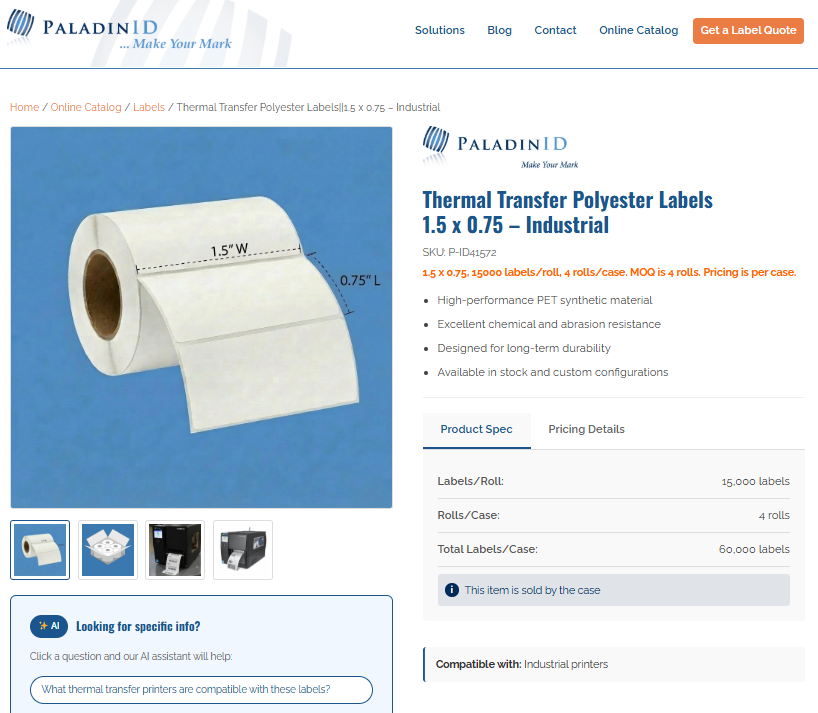
PaladinID
The problem: Competing against manufacturers who sell direct, with a static website and a catalog buyers could not navigate.
Read the case study
Healthcare nonprofit · AI-first website rebuild
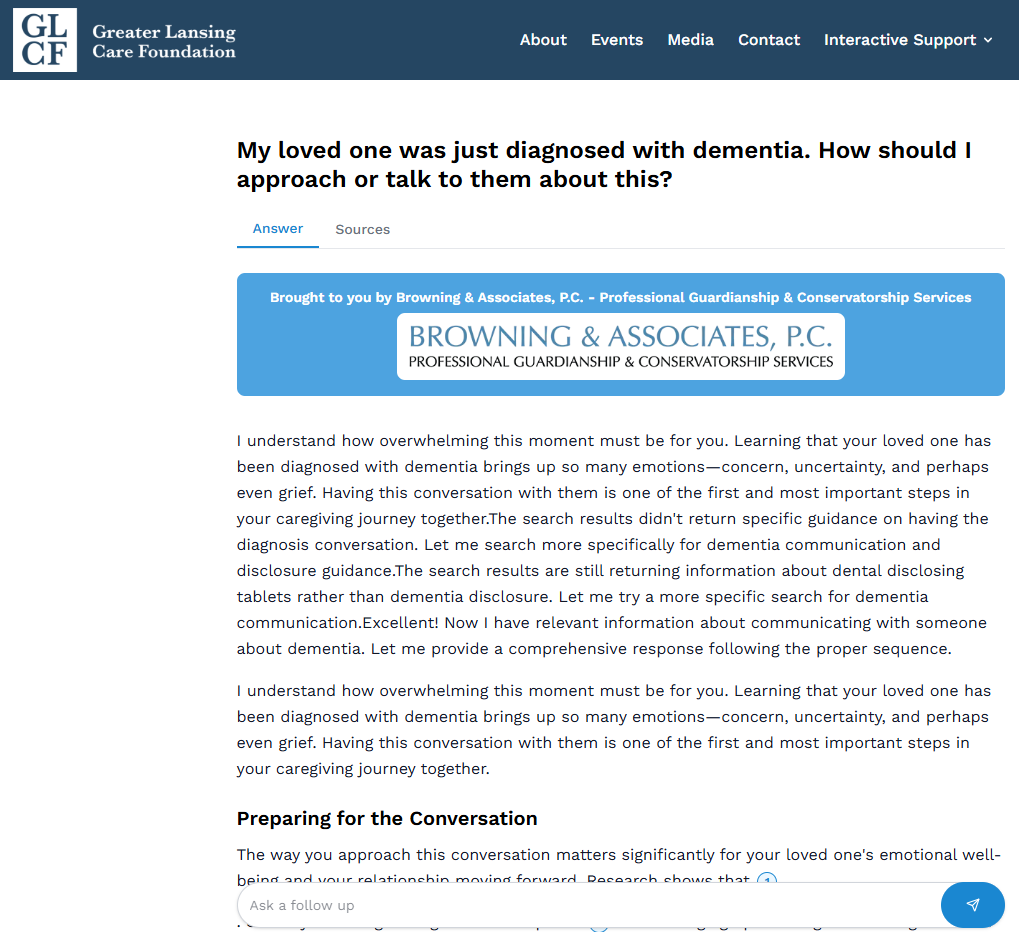
Greater Lansing Care Foundation
The problem: Their website couldn't give caregivers real, cited answers about local resources. Just static pages and dead-end links.
Read the case study
See yourself in this story?
Most of our clients came to us with a similar situation. One conversation to find out if yours is a fit.
No commitment · No spec doc required.